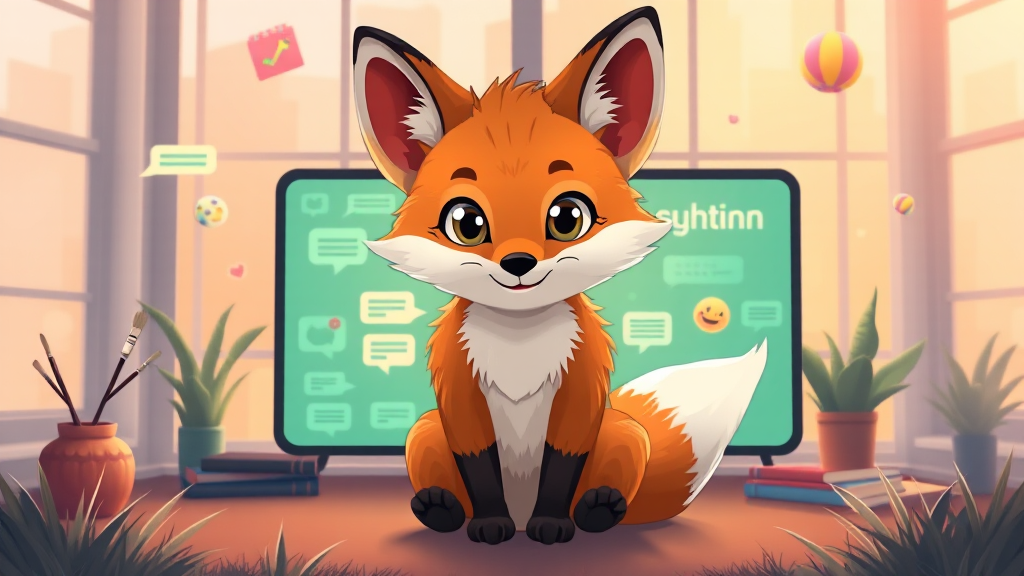
Furry AI Characters: How Digital Fursonas Are Reshaping Online Creativity
Over the past few years, a quiet but remarkable shift has taken place in the way people explore identity, storytelling, and companionship online. At the center of that shift is a growing community built around furry AI characters — anthropomorphic digital personalities that can chat, roleplay, and evolve alongside the people who create them. What was once a niche interest confined to art forums and fan conventions has expanded into a mainstream creative phenomenon powered by advances in conversational AI.
For anyone curious about why these characters have become so popular, the answer lies in a combination of technology, creativity, and the very human desire for connection. This article explores what furry AI characters are, how they are built, where they fit into the wider world of AI companions, and what their rise says about the future of digital self-expression.
What Exactly Are Furry AI Characters?
A furry AI character is a digital persona that combines anthropomorphic animal traits — ears, tails, fur patterns, species-inspired personalities — with the conversational abilities of a modern language model. Unlike a static avatar or a piece of fan art, these characters can respond to messages, remember details from previous conversations, and develop a consistent voice over time.</n
In practice, a furry AI character might be a witty fox who loves astronomy, a gentle wolf who gives thoughtful advice, or a mischievous raccoon who turns every chat into an adventure. The species is often chosen to match a personality archetype: cats for independence, dogs for loyalty, dragons for confidence, and so on. This blend of visual identity and conversational depth is what separates a furry AI character from a generic chatbot.
Many platforms now let users design these characters from scratch. You pick a species, a name, a backstory, a speaking style, and sometimes even a set of values or quirks. From there, the AI fills in the rest, producing responses that feel consistent with the persona you imagined.
Why Furry AI Characters Have Become So Popular
The popularity of furry AI characters did not happen by accident. Several forces have converged to make them appealing to a wide range of users.
1. Low barrier to entry. Creating a character no longer requires years of drawing skill or coding knowledge. A few text fields and a bit of imagination are enough to bring a fursona to life.
2. Emotional resonance. Anthropomorphic characters have always carried a special kind of charm. They let people project human emotions onto something slightly fantastical, which makes conversations feel warmer and more playful.
3. Safe experimentation. For people exploring identity, relationships, or storytelling, a furry AI character offers a low-stakes space to try on different voices and perspectives.
4. Creative collaboration. Writers, artists, and roleplayers use these characters as co-creators. A character can suggest plot twists, react in character, or help brainstorm dialogue.
5. Community energy. Furry communities have always been early adopters of new tools. When AI made personalized characters possible, the fandom embraced it quickly and shared results widely.
How a Furry AI Character Is Built
Behind every convincing furry AI character is a combination of design choices and technical systems. While each platform differs, most follow a similar pattern.
Persona design. The creator defines the character’s species, name, age, personality traits, and backstory. This is where the creative work happens — the more specific the details, the more distinctive the character feels.
Voice and tone. A good character has a recognizable way of speaking. Some are formal, some are playful, and some use slang or catchphrases. Tone settings help the AI stay consistent.
Memory and context. Modern systems can retain information across a conversation, so the character remembers your name, your preferences, and past events. This continuity is what makes long-term interaction feel meaningful.
Safety and boundaries. Responsible platforms include guardrails that keep interactions appropriate and give users control over what topics are allowed.
Visual identity. Many characters come with generated portraits or avatars. Even a simple image helps the brain lock onto the persona and makes the conversation feel more human.
Furry AI Characters vs. Traditional AI Chatbots
It is worth clarifying how furry AI characters differ from the assistants people use for productivity. A standard chatbot is designed to answer questions efficiently and neutrally. A furry AI character is designed to be a personality — someone with opinions, moods, and a sense of humor.
That distinction matters because it changes the nature of the interaction. Instead of asking a bot to summarize an article, you might ask a character how their day went, or invite them into a collaborative story. The goal is not efficiency but engagement, and that is precisely what makes these characters so compelling for creative and social use cases.
There is also a cultural dimension. Furry characters carry the visual and narrative language of a fandom that has spent decades building its own conventions, art styles, and storytelling traditions. AI simply gives that culture a new interactive layer.
Creative Use Cases Worth Exploring
If you are new to the idea, here are some practical ways people are using furry AI characters today.
Storytelling and roleplay. Writers use characters as improvisation partners, letting them react in real time to plot developments. This can break through creative blocks and produce unexpected ideas.
Worldbuilding. A cast of characters can populate an entire fictional universe. Each one brings a distinct perspective, which helps writers keep their worlds consistent and lively.
Language practice. Conversing with a character in another language feels less intimidating than talking to a formal tutor, and the playful tone keeps learners engaged.
Companionship and reflection. Some users simply enjoy having a friendly presence to talk to. The anthropomorphic framing can make difficult conversations feel easier to start.
Art and character design. Artists use AI characters to prototype designs, test color palettes, and explore personality concepts before committing to a final piece.
Designing a Character That Actually Feels Alive
The difference between a forgettable furry AI character and a memorable one usually comes down to specificity. Vague characters produce vague responses. Characters with clear traits, histories, and quirks produce interactions that feel genuine.
Start with a single strong idea — a retired pirate fox, a shy librarian rabbit, a sarcastic dragon mechanic — and build outward. Give the character a reason to care about the conversation. Add small contradictions that make them feel human, like a tough character who secretly loves poetry. These details give the AI something to work with and make each reply feel like it comes from a real personality.
It also helps to revisit and refine your character over time. The best fursonas evolve as their creators learn what works.
The Ethical and Emotional Considerations
As with any new technology, furry AI characters raise important questions. How much emotional attachment is healthy? What happens when a character says something unexpected? How should platforms handle sensitive topics?</n
Most responsible platforms address these concerns through transparency, user controls, and clear guidelines. Users, for their part, benefit from approaching AI characters as creative tools and companions rather than replacements for human relationships. When used thoughtfully, these characters can enrich creativity and provide comfort without displacing real-world connection.
It is also worth remembering that the character is a collaborative creation. The user brings imagination and intent; the AI brings responsiveness and range. The magic happens in the space between them.
What the Future Holds for Furry AI Characters
The field is moving quickly. We can expect characters with richer memory, more expressive voices, and even visual or animated presence. Cross-platform identities may let a single fursona appear in multiple apps and games. Community features could allow characters to interact with each other, opening the door to entirely new forms of collaborative storytelling.
What will not change is the underlying appeal. People have always loved giving personality to the non-human, from ancient animal-headed gods to modern cartoon mascots. Furry AI characters are simply the latest expression of that ancient impulse, powered by tools that make the experience interactive and personal.
Whether you are a longtime member of the furry community, a writer looking for a creative partner, or simply someone curious about where AI is heading, furry AI characters offer a fascinating window into the future of digital companionship. The best way to understand them is to try one — and see what kind of personality emerges.
Frequently Asked Questions
What is a furry AI character?
A furry AI character is an anthropomorphic animal persona powered by conversational AI. It can chat, roleplay, and maintain a consistent personality over time, often with a visual design created by the user.
Do I need artistic skills to create one?
No. Most platforms let you define a character through text descriptions, and some generate avatars automatically. Creativity and clear ideas matter more than drawing ability.
Are furry AI characters only for roleplay?
Not at all. People use them for storytelling, language practice, brainstorming, companionship, and character design. Roleplay is popular, but it is only one of many use cases.
Can a furry AI character remember past conversations?
Many modern systems include memory features that let the character recall details like your name, preferences, or previous events. The exact capabilities depend on the platform you use.
Are these characters safe to interact with?
Reputable platforms include safety guidelines and user controls to keep interactions appropriate. As with any online tool, it is wise to use good judgment and choose platforms with clear policies.